
The Practice of the Six Paramitas
Vladimir Pyatsky
The Practice of the Six Paramitas
Vladimir Pyatsky
We are open to free-of-charge distribution of this content
Commercial use is prohibited
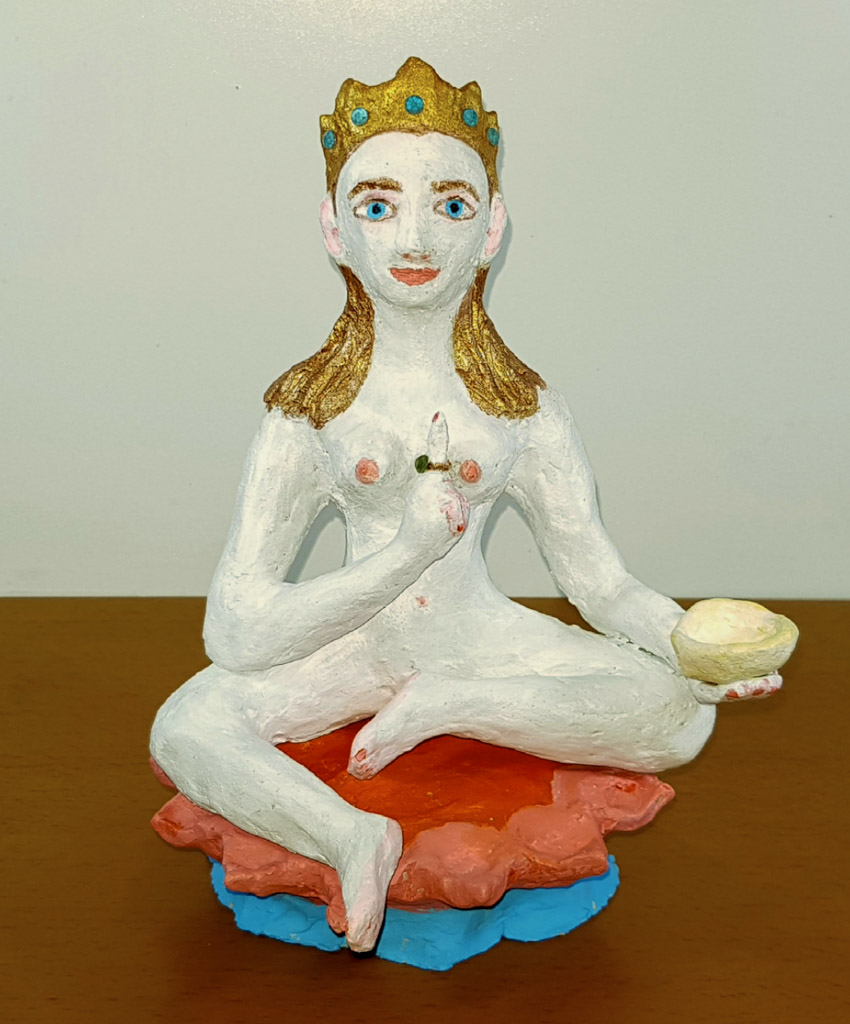
Statue on the cover: Smadar Pyatsky. Vajrassatvika, 2019.
Revision: Smadar Pyatsky
Book design: Hanan Pyatsky
Translation: Roni Sherman and Marina Sherman
Translation Editor: Natasha Tsimbler
Chapters
Table of Contents The Practice of the Six Paramitas – Table of Contents
Introduction The Practice of the Six Paramitas – Introduction
1. The Practice of the Six Paramitas – The Paramita of Wisdom
2. The Practice of the Six Paramitas – The Paramita of Meditation
3. The Practice of the Six Paramitas – The Paramita of Diligence
4. The Practice of the Six Paramitas – The Paramita of Patience
5. The Practice of the Six Paramitas – The Paramita of Self-Restraint
6. The Practice of the Six Paramitas – The Paramita of Giving
Table of Contents
Introduction
The Blessings Needed in order to Practice the Six Paramitas
The Four Fundamentals of Proper Spiritual Pursuits
The Three Remembrances
The Two Foundations of Liberation from Suffering
The purpose of the practice of the six paramitas – liberation of the mind from the fetters of the six realms of desire (Kamalokas)
An overview of paramita growth stratagems
The Approach of the Climbing plant (moving from one paramita to another with the help of comparison)
The game plan of the equestrian (Steering the activity of the mind with the help of six remembrances)
The Method of the Potter (The Making of a Pot)
The Policy of Addressing Corruption
1. The Paramita of wisdom –The Rejection of hostility
The Six Pillars of Wholesome Faith.
Correct Grasp of the Six Pillars of Wholesome Faith
Alternative strategies to rejecting hostility
Disenchantment with the eight worldly dharmas
A way of overcoming darkened states of mind. “A rope thrown down a pit.”
2. The Paramita of Meditation. Sitting Meditation (Dhyana with Form)
Four ways of explaining meditation, or the unified state of the mind
A special autosuggestion which accompanies the six mudras
3. The Paramita of Diligence
Correct grasp of practice
Coping with the excitement of the heart through correct effort
The three ways to use cow urine
4. The Paramita of patience
Maitreya’s Teaching
The path of remembering ourselves
The Ten turning points of practice
Taking refuge in the triple gem
5. The paramita of self-restraint
Supplementary explanations specific to meditation on the Vajrasattvas.
6. The paramita of giving. The fruit of practice.
The Five paths of perfection
The path of scholarship
The path of renunciation
The path of skillfulness
The path of holiness
The path of steadfastness